Bambu Lab's A1 Mini is now on Target shelves and online at $219.99, making the popular entry-level printer accessible to a much broader US audience.
Bambu Lab's A1 Mini is now available at Target. The base model is priced at $219.99, and the A1 Mini Combo, which bundles the AMS lite for four-color printing, is $289.99. Target is offering in-store pickup at many locations alongside standard shipping. That puts one of the most talked-about budget 3D printers within reach of anyone who happens to be doing a Target run.
What You Are Actually Buying
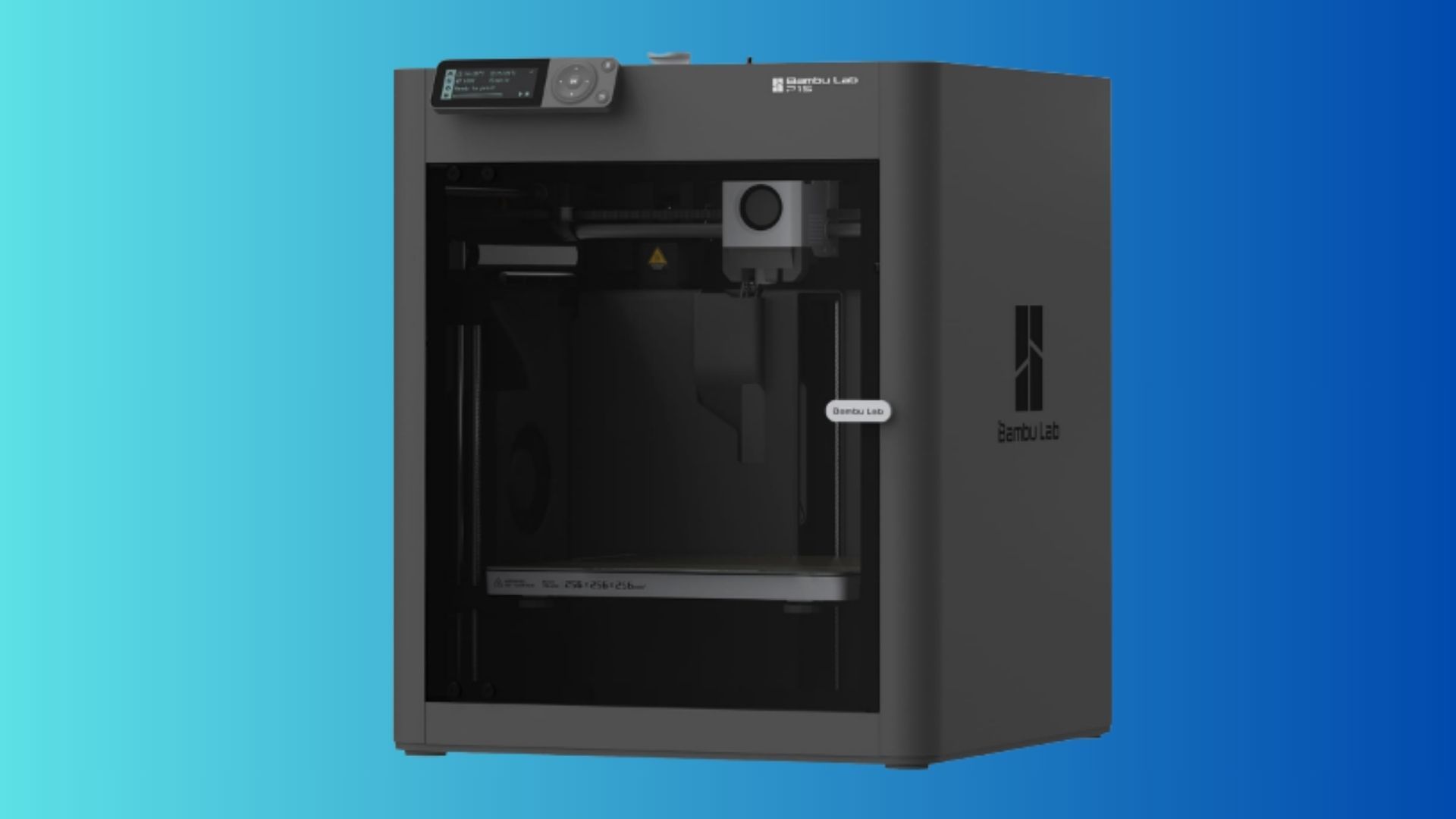
The A1 Mini is a compact cantilever-style 3D printer with a 180 x 180 x 180 mm build volume. It launched in 2023 as Bambu Lab's entry-level product, sitting below the A1 and well below the X1 and P1 series. The hardware includes an all-metal hotend rated to 300C, automatic bed leveling, vibration compensation, and nozzle pressure-based flow calibration that runs before every print. The AMS lite handles four-color filament switching on this model.
Setup is genuinely simple. The printer arrives mostly assembled. You snap a few panels into place, thread the filament through the tube, load a spool, and run the calibration sequence. The whole process takes roughly twenty minutes. The printer then calibrates Z-offset, bed level, X and Y vibration resonance, belt tension, and flow dynamics automatically. No paper shimming, no manual belt adjustment, no hand-drawn calibration pattern.
Why Target Matters
Target is not the first major US retailer to carry the A1 Mini. Best Buy and Micro Center have both stocked it. But Target operates nearly 2,000 stores across the US and reaches a demographic that is not specifically shopping for 3D printing equipment. A shopper picking up laundry detergent and snacks can walk past the electronics section and find a $220 3D printer. That is a different kind of exposure than an online store or a specialty electronics retailer.
The broader trend is that consumer 3D printers have been moving into mainstream retail since 2022. Bambu Lab, Creality, and Elegoo have all established retail partnerships. The A1 Mini at Target is the most prominent example of that movement in mid-2026. It signals that Bambu Lab believes mainstream demand is real and that the product no longer needs enthusiast-specific channels to reach buyers.
The Price in Context
$219.99 matches what you would pay from Bambu Lab's own store and from most other retailers carrying the A1 Mini. Target is not undercutting the market. What Target offers is immediacy and a return option. In-store pickup means you can drive home with the printer the same day. The thirty-day return window, which applies to any Target purchase, gives new users a safety net that most direct-from-China or direct-from-manufacturer purchases do not match. If the printer arrives and does not work out of the box, or if the experience does not match what the buyer expected, returning it to a local store is a low-friction process.
Who Should Buy It
The A1 Mini is a strong first printer. The auto-calibration removes the steepest learning curve that used to discourage beginners. The Bambu Studio slicer is accessible and capable enough that users rarely need to switch to third-party tools. The 180mm build volume is sufficient for most small-to-medium projects: phone cases, cosplay armor pieces, mechanical brackets, prototype housings, household gadgets. The open-frame design handles tall prints well but is not suitable for high-temperature materials like ABS and ASA without an aftermarket enclosure.
The AMS lite, included in the $289.99 combo, adds four-color printing capability. It is not as versatile as the full AMS unit on the X1 and P1 series, and it will not work with other Bambu printers. But for the A1 Mini specifically, multi-color capability at this price point is a meaningful advantage over single-extruder competitors.
The Limitations
The cantilever design has a physical reach limit. The toolhead extends over the bed on a single X-axis rail, and at full extension there is more vibration and less precision than a dual-rail or CoreXY design. For most casual printing this is not noticeable. For tall, heavy prints that push the toolhead to the bed edge, it will be. The A1 Mini is not intended for production workloads. It is a learning platform and a convenience device.
Software lock-in is worth flagging. Bambu Studio and the Bambu Handy app are well-designed, but they are Bambu-specific. If you later move to a different printer brand, your slicer profiles, print history, and cloud library do not transfer. This is true of most consumer printers, and Bambu's software is better than most, but it is still a factor in the buying decision.
The Competitive Landscape
At this price and form factor, the A1 Mini competes with the Creality K3 series and the K3 Plus, the Elegoo Centauri Carbon 2, and the Sovol M1D. Each of those machines offers more build volume or a toolchanger at a similar or slightly higher price. The A1 Mini still wins on out-of-box reliability and ease of use. It is the printer you buy when you want to start printing on day one, not after a weekend of calibration and YouTube tutorials.
Target shoppers picking up the A1 Mini on impulse will almost certainly have a good experience with it. Buyers who want to compare options before committing should look at current reviews for the K3 Plus and the Sovol M1D before deciding. The A1 Mini is a safe choice, but it is no longer the only reasonable choice at this price.
What the Target Stocking Actually Means
Bambu Lab's decision to push the A1 Mini through Target is a statement about where the company sees the market going. Online sales and specialist retailers reach enthusiasts who are already looking for a 3D printer. Target reaches people who have never considered owning one. That second audience is much larger, and converting even a fraction of it is what moves 3D printing from a hobbyist pursuit to a mainstream product category.
The A1 Mini is well-suited to that transition. It is affordable, it works out of the box, and it produces good results without user expertise. Whether the mainstream audience is ready for the maintenance and material management that every 3D printer requires is an open question. But getting the hardware onto the shelf is the first step toward finding out.
Comments (0)
No comments yet. Be the first!
Leave a Comment