A new Sovol guide walks through measuring, modeling, testing and printing replacement parts for common household fixes, with clear advice on when to buy an original instead.
Most 3D printer owners have at least one broken household item that is one plastic piece away from working again: a lamp knob, a bin latch, a vacuum clip, or a foot that went missing years ago. Sovol published a practical repair guide on November 5, 2026 that treats those jobs as a design problem, not a magic trick. The point is not to print every broken part, but to spot the small, low-risk ones where a custom replacement makes sense.
What makes a good repair candidate
Sovol's checklist starts with the right questions. Good candidates are usually small parts that hold, cover, space, or guide something: knobs, clips, brackets, cable guides, spacers, feet, and simple mounts. The part should be low stress, safe to test, and possible to measure. If it is safety-critical, exposed to heat beyond the filament's limits, or needs certification, the original part is the better choice.
The guide also makes a useful distinction between decorative and structural roles. A cosmetic cover can be forgiving. A bracket that carries load needs careful material choice, print orientation, and testing. Printing across layer lines in the wrong direction is a common way to turn a decent design into a weak part.
Measure, test, then commit
The workflow Sovol recommends is the one experienced makers already follow: inspect the break, measure mating features with calipers, model the functional geometry first, add clearance, and print a small test piece before the final part. That test print is where most time is saved. It catches bore sizes that come out tight, clips that snap too easily, and mounts that almost fit but do not seat.
Material choice follows the environment. PLA can work for low-stress indoor parts and prototypes because it is easy to print and dimensionally predictable. PETG is a better starting point when a part needs more toughness or moisture resistance. For parts that flex or need grip, TPU can help. The key is to match the filament to the real conditions, then test the finished part on the actual object instead of assuming it will hold.
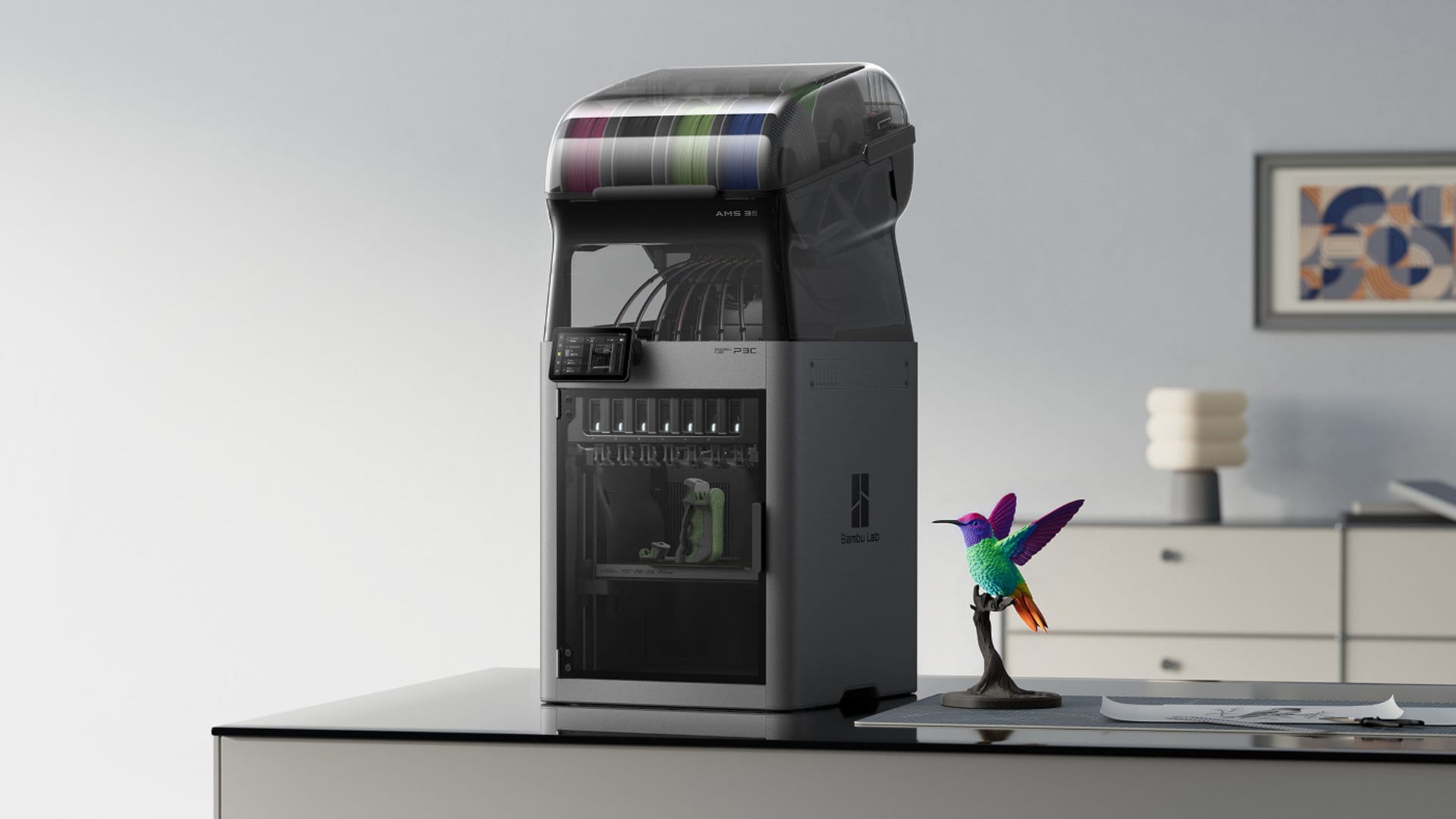
For many homes, that is the real value of a desktop printer: not mass production, but fast, local problem solving when the replacement part is obscure, discontinued, or simply not worth waiting for.

Comments (0)
No comments yet. Be the first!
Leave a Comment