Cold spray defense parts, space-grade polymers, smarter prosthetics, and engineering students built a mobility device for a rescue dog. Here is the week in 3D printing.
This week in 3D printing covered defense manufacturing, space-grade materials, advanced prosthetics, and a feel-good student project for a three-legged dog. Here are the stories that mattered.
Titomic USA Delivers Cold Spray Parts to EOS Defense Systems
Titomic USA completed a rapid production order for Huntsville-based EOS Defense Systems USA, delivering critical manufacturing modifications within a single week. Titomic used its cold spray additive manufacturing process to produce components for a U.S. government defense program.
The speed of the delivery stands out. Titomic finished the modifications in seven days, helping speed up delivery of an important production article for a defense application. Titomic CEO Andrew Hinson said the project showcased how cold spray can provide integrated manufacturing solutions that keep vital defense production programs moving.
Roboze Polymers Pass CubeSat Testing for Space Use
Italian aerospace startup NESST Srl validated Roboze's high-performance Carbon PEEK polymers for use in CubeSat structures. The project, funded by the Italian Space Agency and European Space Agency, 3D printed a 3U CubeSat structure on the Roboze ARGO 500 HYPERSPEED platform.
Testing showed the FFF-printed Carbon PEEK delivers mechanical performance similar to the aluminum alloys typically used in satellite structures. The material also met ECSS outgassing requirements for space environments. NESST technical manager Francesco Lucia said proving that polymers can rival aluminum marks a shift in how satellite manufacturing is approached. Phase 2 of the project will integrate harnesses, electronics, and microfluidics directly into the printed structure.
RIT Researchers Combine 3D Printing, Bioprinting, and Smart Sensors for Prosthetics
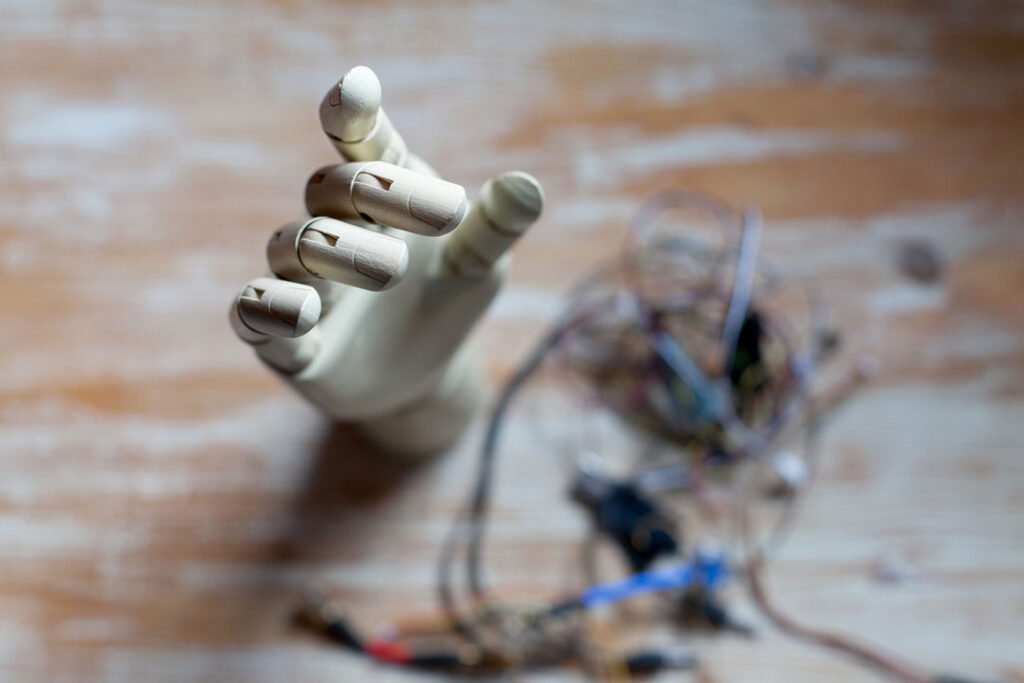
Faculty researchers from Rochester Institute of Technology's U.S. and Dubai campuses collaborated to develop sensitive, flexible finger prosthetics. The team combined biodegradable thermoplastic, heat-resistant silicone, piezoelectric sensors, and advanced 3D printing into a single customizable design.
The prosthetic structure uses hybrid materials to balance strength and comfort, while the smart sensors give the device a better sense of touch. Electromechanical systems were integrated for natural gripping motion. Ahasan Habib, assistant professor of mechanical and mechatronics engineering technology, said one of the greatest needs in prosthetics is producing patient-specific devices that match individual anatomy and mechanical requirements. The team included Krittika Goyal, Jun Han Bae, and Salman Pervaiz.
OU Engineering Students 3D Print a Mobility Device for Duck the Three-Legged Dog
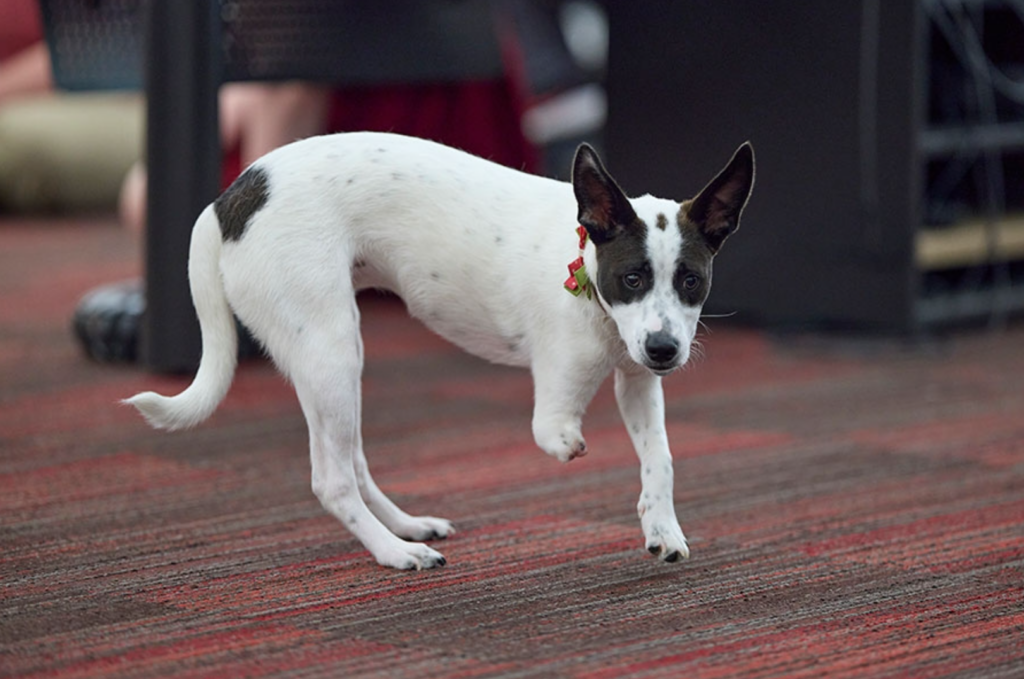
University of Oklahoma engineering students designed and 3D printed mobility devices for Duck, a young rescue dog born with only three legs. The project was part of OU's Engineering Summer Bridge program, where incoming students work on hands-on challenges before their first semester.
Multiple teams researched canine anatomy, Duck's specific needs, and existing mobility solutions. They built prototype devices using CAD software, 3D printed components, and electronic circuits. The most promising designs will continue to be refined for Duck. Program director Brandon Abbott said the project gives students a broader definition of engineering. Technical skill is the foundation, but engineering is a service discipline. A record 160 students applied to the 2026 program, with 40 chosen to participate.



Comments (0)
No comments yet. Be the first!
Leave a Comment