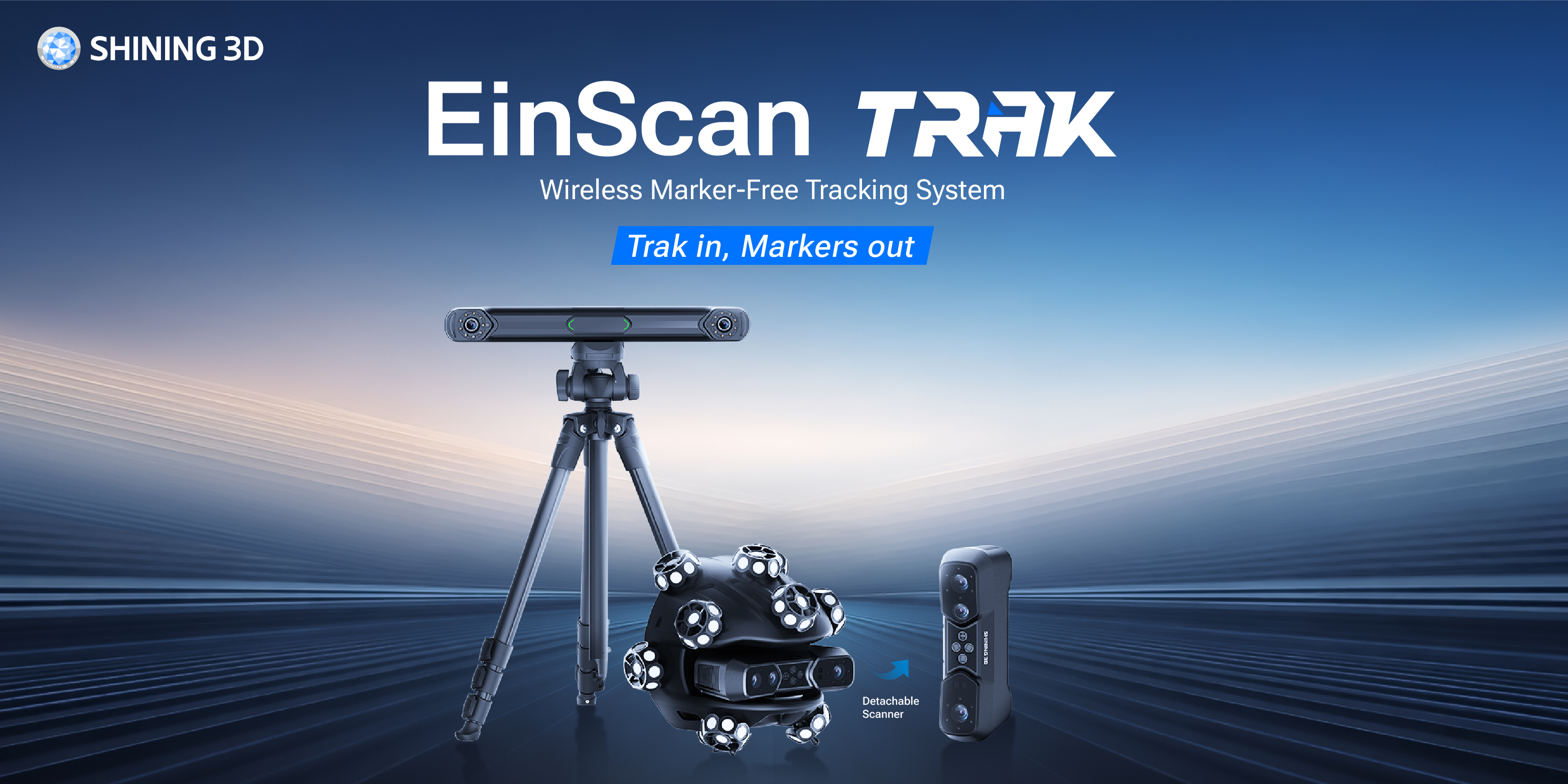
TCT Asia 2026 demonstrated that generative AI has moved beyond design tools into real manufacturing — and the implications for 3D printing are massive.
Generative AI is rapidly moving beyond digital experimentation and into real manufacturing environments. TCT Asia 2026 made that crystal clear: the key challenge now isn't whether AI can help design 3D models — it's whether those models can move seamlessly from creation to production.
From Pixels to Parts
The exhibition floor showcased a complete workflow: AI generates a design, slicing software optimizes it for a specific printer, and the machine prints it. What was once a sci-fi concept is now a practical pipeline.
This matters for 3D printing in several ways:
- Design optimization: AI can now generate lattice structures, topology-optimized brackets, and lightweight components specifically tailored for additive manufacturing constraints.
- Automatic support generation: Machine learning algorithms are getting better at predicting where supports are needed — reducing material waste and post-processing time.
- Quality prediction: AI models trained on millions of print jobs can now recommend optimal settings for unfamiliar materials or geometries.
The Integration Challenge
But here's what's interesting: the companies at TCT Asia weren't just showing off AI tools. They were grappling with the real pain points:
- How do you validate AI-generated designs for aerospace or medical applications?
- Who owns the IP when AI assists or fully generates a design?
- Can the AI output actually be manufactured on the specific machine you have?
These aren't theoretical questions anymore. Manufacturers are actually trying to use these tools in production, and they're running into real-world friction.
What This Means for Desktop 3D Printing
The enterprise tools shown at TCT Asia will eventually trickle down. Expect:
- Smarter slicers with AI-powered settings recommendations
- Automated quality control using computer vision
- AI-assisted design tools in MakerWorld, Prusa, and other ecosystems
The question is no longer whether AI will change 3D printing — it's how quickly the technology moves from trade show floor to your local print farm.
Comments (0)
No comments yet. Be the first!
Leave a Comment